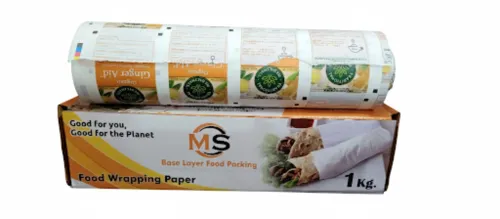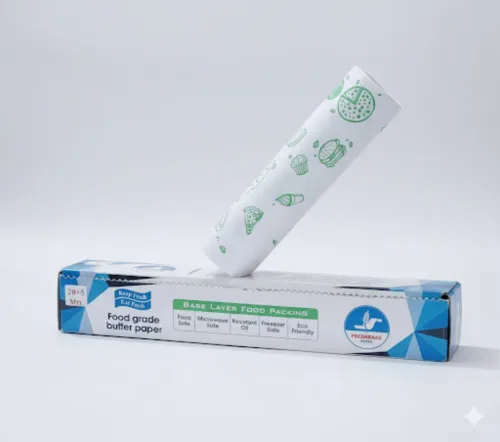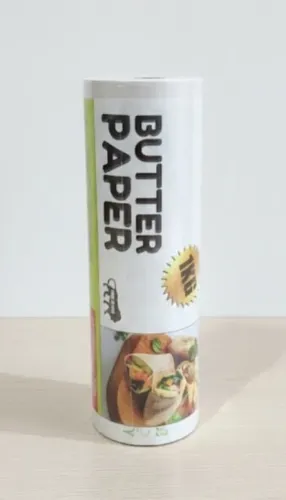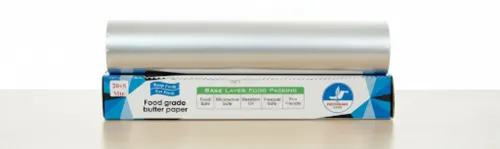
A biryani sheet has to do more than sit beneath rice: it must fit the portion, survive hot gravy and steam, and remain practical during rapid packing and delivery. By checking dimensions, construction, food-contact limits, folding performance, and supplier quality controls, you can choose a sheet that reduces leaks, tearing, sticking, and slow manual handling.
Key takeaways
- Measure the pack base before ordering 11×12 inch sheets.
- Test sheets with hot rice, gravy, and oil before approval.
- Compare paper against foil, plastic, and laminated packs by use case.
- Request samples and standardize sheet size, pack method, and inspection checks.
Where Biryani Sheets Fit Into Restaurant and Catering Operations
A biryani sheet enters operations at portioning, then stays useful through packing, transport, and service. Staff place the sheet beneath each measured serving or inside the container before adding rice, meat, and gravy, creating a cleaner handoff and reducing residue on trays.
For restaurants, biryani packaging for restaurants must support fast, repeatable packing during peak orders. Pre-cut sheets reduce cutting time only when every sheet has controlled length, width, squareness, and stack count. A variable stack causes double-feeding, uneven portions, and slower packing.
The main biryani sheet uses across an operation are:
- Portioning: place one sheet beneath each serving station portion, or use it to line a carton, tray, or pot.
- Packing: fold the sheet over the food or tuck its edges under the container lid without leaving exposed rice or creating a tear point.
- Delivery: use a sheet that remains intact when hot biryani produces condensation; grease resistance alone does not prevent softening or liquid seepage.
- Service: lift or unfold the sheet cleanly at counters, buffets, and catered events without sticking to the container or transferring odor.
Caterers also need dispensing control. Interleaved stacks, clean-cut edges, reliable sheet separation, and moisture-protected outer packaging prevent several sheets feeding together or becoming unusable in storage. Confirm the sheet count per bundle and its fit with your actual tray, carton, or wrapping machine before standardizing catering food packaging and biryani portioning and packing.
How to Check the 11×12 Inch Size Against Your Pack
An 11×12 inch biryani sheet fits a portion or container when the food-contact base fits inside the sheet and enough paper remains to cover the sides or top. Measure the container’s internal length, width, and depth; do not rely on its stated capacity, because curved corners and filled portions reduce usable space.
1. Place an empty container on the sheet and mark the base footprint. For a biryani container liner, add one sidewall depth to each edge if you want the paper to rise along the walls. If the folded corners meet before the rim, use a larger sheet.
2. For a tray, position the 11×12 inch sheet diagonally when straight placement leaves corners exposed. Fold each corner inward, crease along the tray walls, and press the paper flat against the base. Leave no gap where oily rice touches the tray.
3. For a cooking pot, use the sheet as a lining or separator only when its flat dimensions cover the intended area. To cover the opening, centre the sheet, crease it over the rim, and secure it with the lid; do not force dry paper into a smaller pot, because sharp folds can tear it.
4. To check how to fold biryani paper for delivery, fill a sample pack with the normal portion, close the lid, and hold it upside down for 30 seconds. Reject the fold if rice touches an exposed corner, the lid presses the food, or steam-wet paper tears.
Record the actual biryani sheet size, fold pattern, and container model. Specify a dimensional tolerance and sheet count per bundle so every pack folds the same way.
What Paper Performance Matters With Hot, Oily Biryani
An undersized sheet leaves oily rice touching the container and creates exposed seams where gravy escapes. Confirm the flat dimensions after trimming, then allow enough overlap to cover the base and fold without stretching or tearing. A larger sheet also reduces handling time during high-volume packing.
GSM for food packaging indicates basis weight, but it is not a quality grade by itself. Low-GSM paper can tear under a heavy portion; higher GSM adds stiffness and strength but may fold less easily. Compare sheets at the same portion weight and folding method.
Grease-resistant paper slows oil penetration, yet it does not automatically block steam or water. Condensation from hot biryani can soften an uncoated sheet, cause staining, or make it adhere to the container. Specify moisture-resistant food paper when the pack will hold hot, wet biryani rather than dry snacks.
Check these points before approval:
- Ask for the actual GSM, sheet dimensions, coating or treatment, and intended contact temperature and time.
- Request the grease-resistance method and result, such as the TAPPI T 559 kit rating; treat it as an oil-penetration measure, not proof of complete package performance.
- Confirm that the finished food-grade biryani sheet, including ink, adhesive, coating, or laminate, is covered for hot, fatty, salty food contact.
- Require migration and odour testing that reflects biryani, because spices and hot oil can transfer unwanted taste even when the sheet looks clean.
How to Compare Paper Sheets With Foil, Plastic, and Laminates
For a 30-minute counter service or takeaway, paper usually gives the cleanest presentation and simplest disposal. Treat biryani sheet vs butter paper as a performance decision: choose greaseproof paper for biryani when you need surface-grease resistance, but do not expect uncoated paper to contain steam or liquid water during long delivery.
| Material | Best use | Main limitation |
|---|---|---|
| Paper sheet | Short service, portion presentation, and paper-recycling streams | Condensation can soften it, cause staining, or make it stick to the container |
| Plastic | Extended delivery where leak resistance and moisture containment matter | It can trap steam, look less presentable, and complicate disposal or recycling |
| Foil laminated paper | Extended delivery, aroma retention, and stronger light, oxygen, and water-vapour protection | Foil laminated paper adds material complexity; pinholes, creases, exposed edges, or weak seals create leakage paths |
A biryani packaging comparison should also cover handling: interleaved stacks, clean cutting, reliable sheet separation, and moisture-protected outer cartons prevent caterers from pulling two sheets at once or discarding damp stock. Check the finished material’s food-contact declaration, including coatings, ink, adhesive, and laminate—not only the base paper.
Do not put foil-laminated sheets in a microwave unless the complete pack has been validated for that use. Aluminum can arc, while the paper, adhesive, ink, or coating may have separate temperature limits.
How a Supplier Helps You Validate and Standardize the Pack
Approve a pack only after testing the finished sheet with the food, container, and handling method you will use. A “food grade” claim is not enough: food contact compliance must cover the paper, coating, ink, adhesive, foil laminate, and their intended temperature and contact time.
Use this supplier check before rolling it out:
1. Specify the sheet’s nominal length and width, dimensional tolerance, squareness, GSM, paper grade, coating or treatment, and grease-resistance result. “Butter paper” is a market term, not a technical specification.
2. Confirm that pre-cut food packaging sheets match your tray, carton, portion, or wrapping machine. Check sheet count per bundle and stack variation; inconsistent counts create labour and portioning errors.
3. Run packaging material testing with hot biryani containing oil, steam, salt, spices, and acidic ingredients. Record the maximum contact temperature and time, then check grease strike-through, tearing, curl, coating skips, foil cracking, bond failure, and seal performance.
4. Request migration and odor or flavour-transfer results for hot, fatty food rather than dry, room-temperature contact alone.
5. Require batch identification, incoming-material traceability, and retained samples. Baselayer Food Packing can be assessed on these controls before you approve a repeat supply.
Release the material only after a production-line trial confirms clean dispensing, folding, stacking, and service handling across more than one batch.
Related product
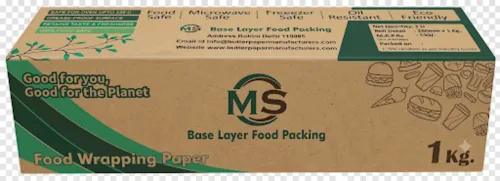
 | Food Packaging Biryani Sheet available in 1kg View product → |
Frequently asked questions
Where do biryani sheets fit into restaurant and catering operations?
Use a sheet beneath a portion or inside the container before adding rice, meat, and gravy. It supports cleaner portioning, packing, transport, and service.
How do you check whether an 11×12 inch sheet fits your pack?
Measure the container’s internal length and width, then place a sample sheet inside it. Check coverage at the base, corner fit, folding space, and whether the sheet interferes with the lid or seal.
What paper performance matters for hot, oily biryani?
Test the sheet with the actual serving temperature, oil level, gravy, and holding time. Inspect for soaking, tearing, transfer of fibres, odour, and loss of strength during handling.
How should you compare paper sheets with foil, plastic, and laminates?
Compare each material for heat tolerance, grease resistance, folding, sealing, presentation, disposal, and compatibility with your container and service method.
How can a supplier help standardize biryani packaging?
Ask for samples, confirm the stated 11×12 inch dimensions, test the sheet in your pack, and record the approved material, size, packing method, and incoming inspection points.