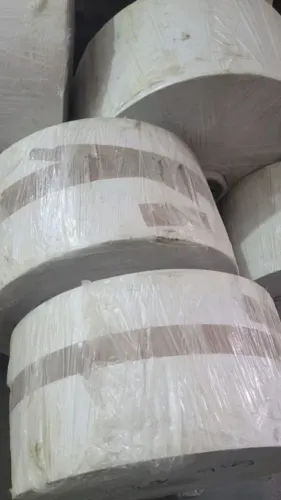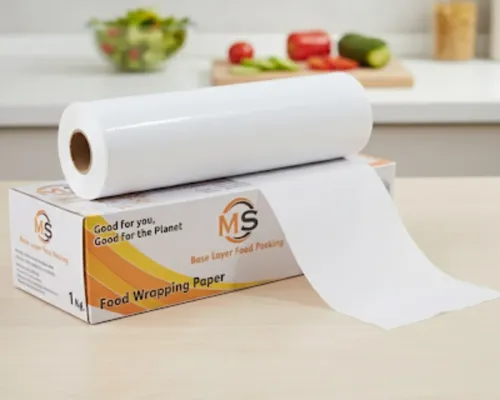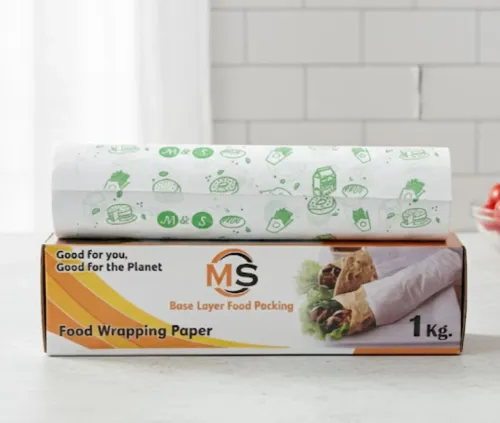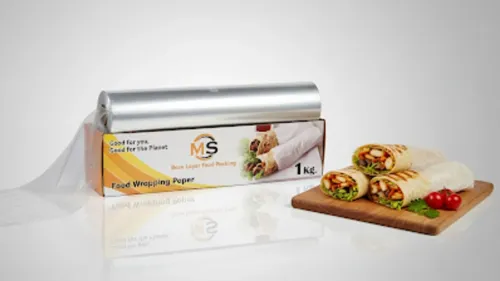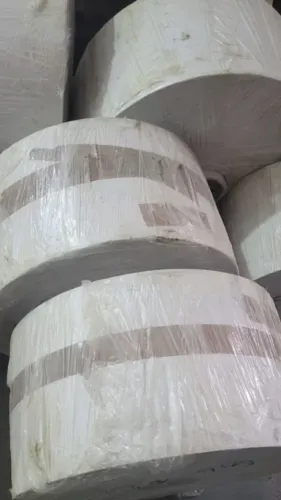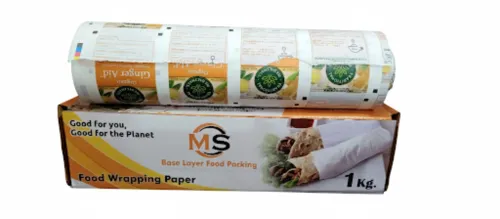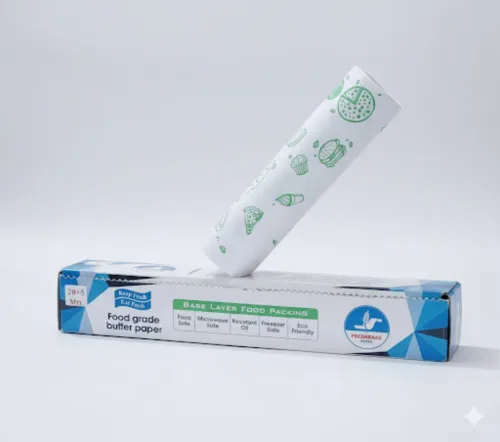

Foil-based packaging is widely used across commercial kitchens because it can support wrapping, covering, lining, and food handling in numerous situations. Restaurants, caterers, bakeries, sweet shops, and food processors often evaluate a Foil paper Manufacturer when they need material that performs consistently across repeated daily applications.
Choosing foil effectively starts with understanding where it will actually be used.
Different Foods Create Different Packaging Requirements
There is no universal packaging material for every food product. A bakery lining requirement differs from wrapping prepared takeaway food. Catering operations may need material for temporary covering, while commercial kitchens may use foil during preparation and storage.
Before choosing a product, businesses should identify:
- Type of food being handled
- Typical serving temperature
- Duration of holding
- Required sheet dimensions
- Frequency of use
- Manual or machine-based handling
- Outer packaging used with the foil
This prevents businesses from buying material based solely on familiarity.
Thickness Influences Handling
Foil thickness can affect strength, flexibility, and ease of use. Very light material may be suitable for some routine applications but may not provide the handling characteristics required for heavier food portions. Using unnecessarily heavy material, however, can increase packaging consumption and cost.
A Foil paper Manufacturer should therefore be able to provide clear product specifications so commercial buyers can match material to their use case.
Trialling the material under actual kitchen conditions can be more informative than judging it only by appearance.
Width Should Match Common Food Sizes
Roll width is another important consideration.
If the roll is much wider than the food being wrapped, staff may repeatedly use more foil than necessary. If it is too narrow, employees may need overlapping pieces, which can slow packaging and increase consumption.
Restaurants and cloud kitchens can review their most frequently packed products and select dimensions that accommodate the majority of daily orders.
Catering businesses may require a broader selection because their packaging needs vary between individual portions, trays, and bulk food preparation.
Commercial Buyers Need Predictable Supply
For high-volume operations, packaging is a recurring consumable. Running out of a basic material can disrupt an otherwise efficient kitchen.
Procurement teams should therefore track consumption and establish realistic reorder levels. Buyers in Delhi may also consider supplier lead times, storage capacity, seasonal order peaks, and the number of outlets consuming the same inventory.
Businesses with multiple locations can benefit from standardizing commonly used foil specifications. This simplifies purchasing and helps employees work with familiar packaging materials across branches.
Evaluate Material Alongside Kitchen Practices
Even suitable foil needs proper handling. Rolls should remain protected from unnecessary contamination and physical damage. Staff should use clean cutting or dispensing arrangements where appropriate.
Baselayer Food Packing manufactures and supplies food packaging materials from Delhi for restaurants, bakeries, caterers, distributors, and other commercial buyers. Businesses assessing foil packaging can make more informed decisions by discussing dimensions, expected consumption, application, and supply frequency before purchasing.
The most useful foil is not automatically the thickest or largest available. It is the material that suits the food, fits the workflow, minimizes unnecessary usage, and can be sourced consistently as operational demand changes.
Keywords