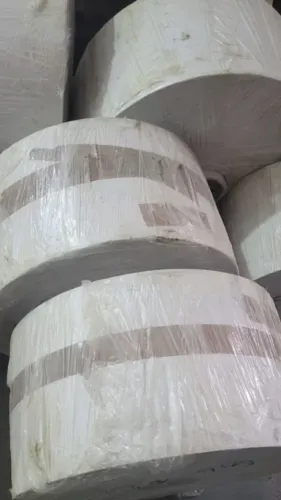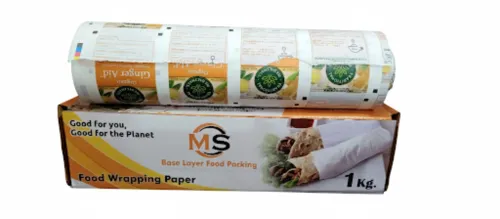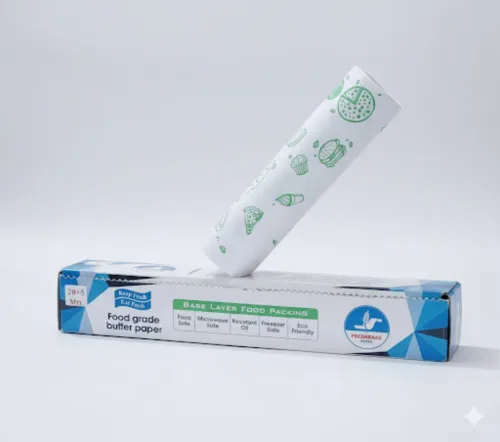
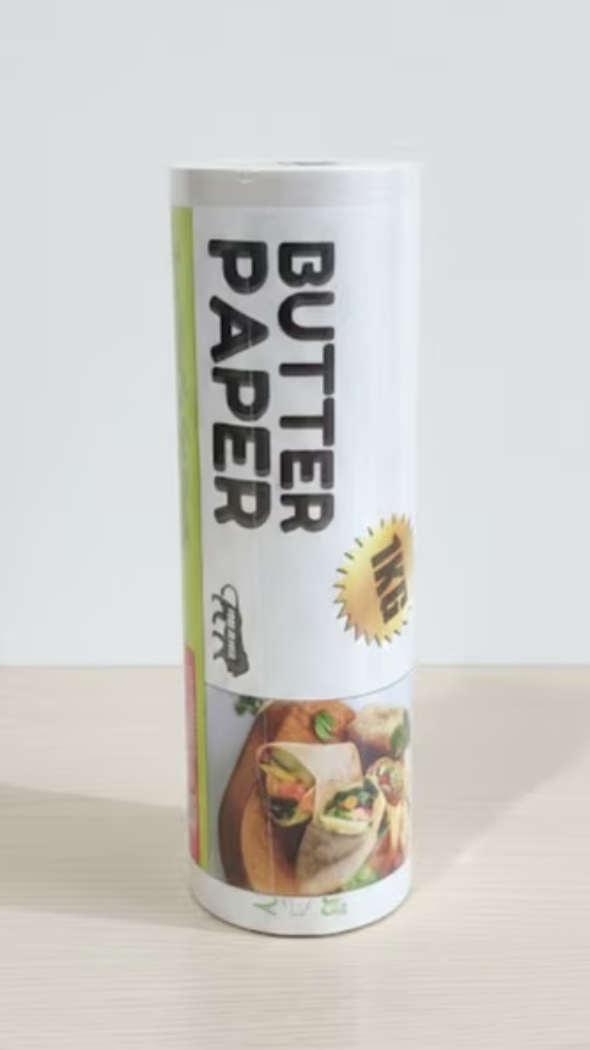
For restaurants, bakeries, cafés, cloud kitchens, and food processors, packaging materials are part of everyday operations. A paper that tears too easily, absorbs excessive grease, or varies from one batch to another can create unnecessary problems during preparation and dispatch. Working with a dependable Butterpaper roll Manufacturer can therefore make a practical difference to packaging consistency.
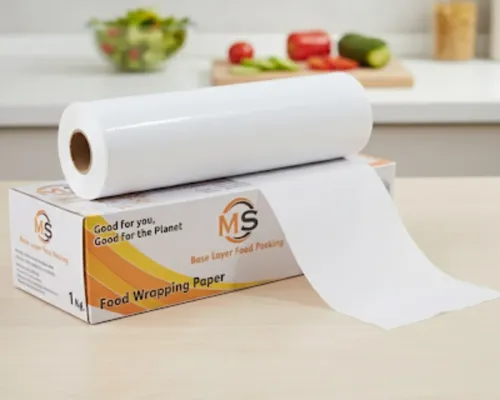
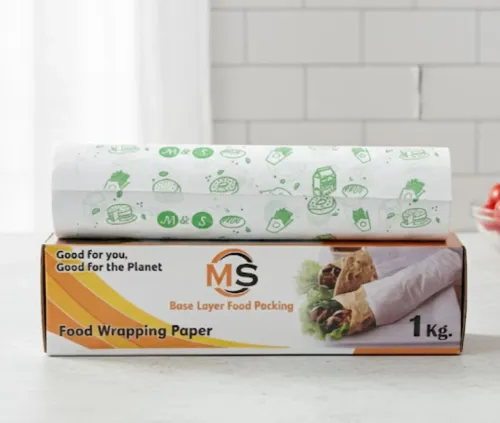
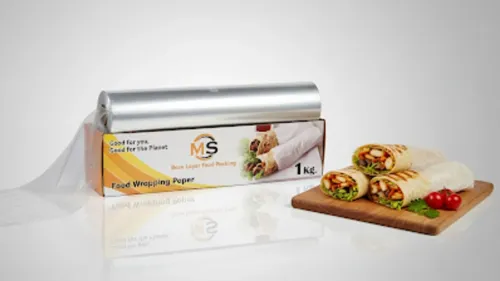
Food businesses in Delhi often use butter paper rolls for wrapping, lining, separating, and handling a wide range of prepared foods. The roll format is particularly useful for businesses that need flexibility because the required sheet size can be cut according to the product rather than being restricted to a predetermined dimension.
What Makes a Butterpaper Roll Suitable for Food Use
A butter paper roll should first match its intended application. Paper used to line bakery trays may have different requirements from paper used to wrap sandwiches, rolls, confectionery, or takeaway foods.
Important characteristics generally include:
- Appropriate paper thickness
- Consistent width across the roll
- Good resistance to grease
- Clean surface quality
- Reliable cutting and handling
- Suitable strength during wrapping
- Consistency between production batches
Businesses should discuss the actual food application with the supplier instead of choosing paper solely by appearance.
Why Roll Dimensions Matter
Roll width and length directly affect daily usability. A small café may need manageable rolls that employees can cut quickly at a preparation counter. A food processing unit may prefer larger formats that support repetitive production.
This is one reason a Butterpaper roll Manufacturer should be evaluated on more than basic product availability. Buyers need clarity regarding available widths, roll lengths, paper specifications, minimum quantities, and whether bulk requirements can be supplied consistently.
Correct sizing can also reduce avoidable waste. When a business repeatedly cuts oversized paper for smaller products, unused material accumulates over time. Matching the roll dimensions to the actual application can improve material utilization.
Storage Conditions Can Affect Paper Performance
Purchasing appropriate packaging material is only one part of the process. Butter paper rolls should also be stored carefully.
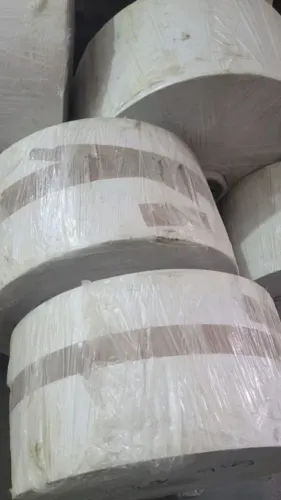
A dry and clean storage area helps protect paper from moisture, dust, accidental contamination, and physical damage. Rolls should ideally remain protected until required for production. Food businesses purchasing larger quantities should consider their available storage space before deciding how much material to order at once.
For Delhi businesses operating through central kitchens, multiple outlets, or distribution points, inventory planning becomes especially important. Maintaining sufficient stock without creating excessive storage pressure can help keep packaging operations predictable.
Consistency Matters More as Order Volumes Grow
Minor packaging inconsistencies can become significant when hundreds or thousands of food items are prepared each day. Variations in roll dimensions, paper strength, or grease resistance may slow employees and increase wastage.
Standardized packaging material helps teams follow the same wrapping and preparation process across batches. Restaurants with several branches and food manufacturers with recurring production schedules may particularly benefit from establishing clear specifications before placing repeat orders.
Baselayer Food Packing serves the food packaging market from Delhi with butter paper and related packaging materials for commercial buyers. When evaluating any manufacturer, businesses should communicate product dimensions, application, consumption volume, delivery expectations, and storage requirements clearly.
Choosing butter paper based on actual operational needs rather than simply purchasing a generic roll helps businesses create a more consistent packaging process from preparation through final food handling.
Keywords