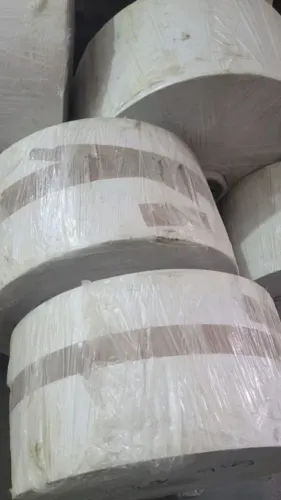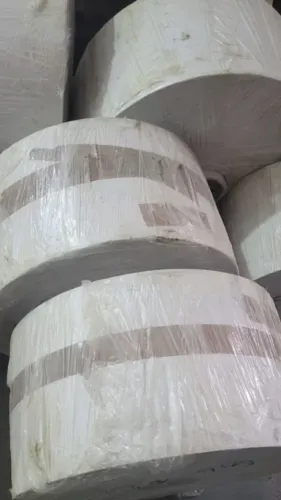
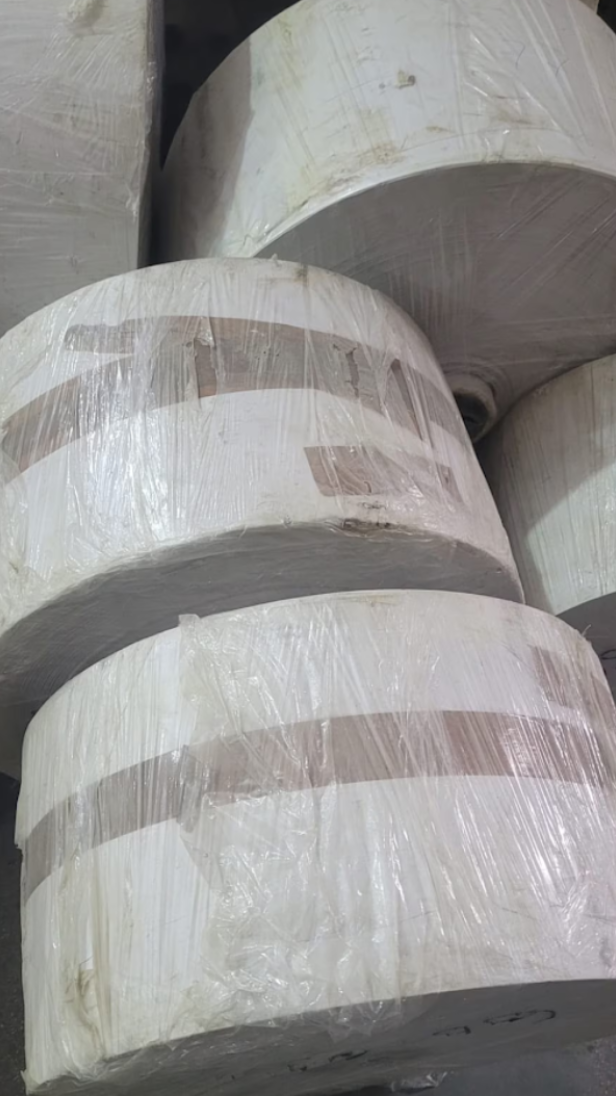
Jumbo rolls are an important input for businesses that convert, distribute, process, or consume packaging paper at scale. Because these rolls may feed subsequent cutting, rewinding, or packaging processes, inconsistencies can affect much more than a single wrapping task. Evaluating a Jumbo Roll Manufacturer therefore requires a closer look at production requirements and downstream usage.
For distributors and food packaging businesses in Delhi, a structured evaluation can reduce avoidable material and processing problems.
Define the Downstream Process First
The first question is not how large the jumbo roll is. It is what will happen to the material after purchase.
A converter may rewind it into smaller retail rolls. Another business may cut sheets. A food processor may integrate the material into an internal packaging workflow.
Each application can influence required dimensions and handling characteristics.
Before requesting a quotation, document the intended process, required width, expected quantity, storage conditions, and any equipment considerations.
Consistency Becomes Critical at Scale
Small dimensional variations may have limited impact during manual use but can become more noticeable during repeated conversion.
When evaluating a Jumbo Roll Manufacturer, buyers should seek clarity regarding product specifications and consistency across repeat batches.
The objective is to reduce unexpected changes that could affect downstream operations.
Check Handling Requirements
Jumbo rolls need appropriate movement and storage arrangements.
Businesses should consider:
- Roll weight and dimensions
- Warehouse access
- Loading and unloading practices
- Storage orientation
- Protection from moisture and contamination
- Movement to the production area
- Compatibility with conversion equipment where applicable
Ordering material without considering these practical issues can create avoidable handling difficulties.
Evaluate Yield Instead of Purchase Price Alone
Bulk buyers frequently compare suppliers based on total order value. A better commercial comparison examines usable output.
If a roll generates excessive waste during conversion or requires repeated adjustments, its effective cost may be higher than expected.
Buyers can monitor:
- Input quantity
- Finished output
- Trim waste
- Rejected material
- Production interruptions
- Handling time
This creates a more realistic understanding of material performance.
Plan Repeat Supply Around Inventory Requirements
Large buyers need enough material to maintain production without tying up excessive warehouse space.
For businesses serving Delhi and wider North Indian packaging markets, demand may fluctuate based on customer orders and seasonal food activity. Procurement teams can establish minimum stock levels and reorder points based on historical consumption.
A manufacturer capable of understanding recurring requirements can make supply planning more structured.
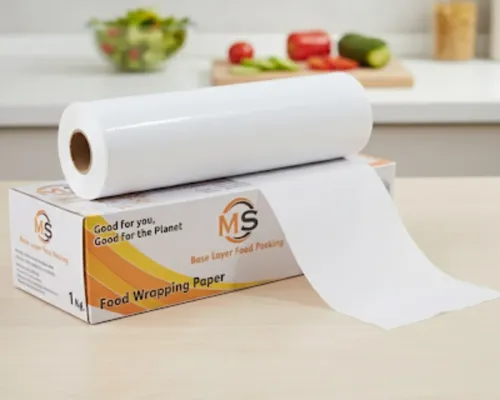
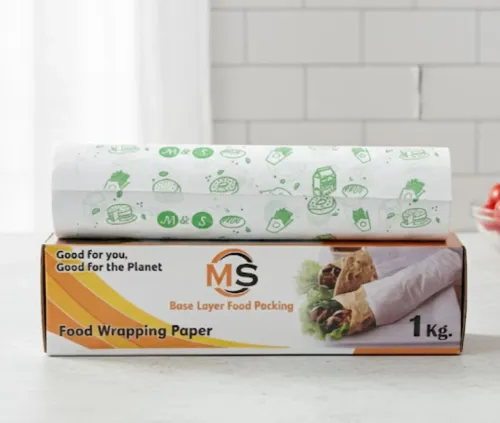
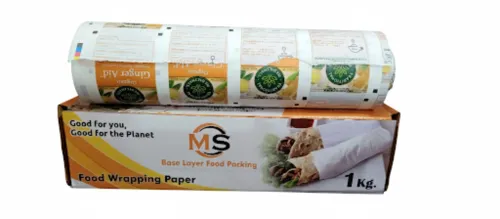
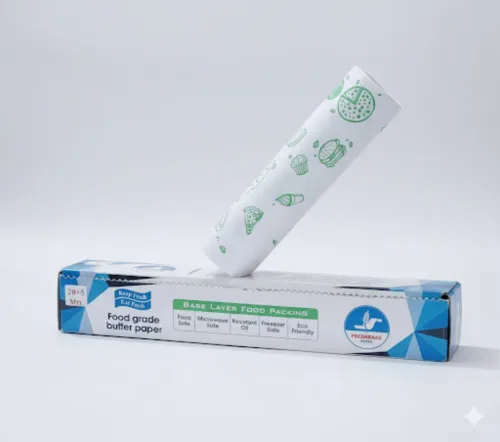
Baselayer Food Packing works with commercial food packaging requirements from Delhi, including bulk formats for buyers with recurring consumption. When discussing jumbo rolls, sharing detailed specifications and the intended downstream process gives both buyer and manufacturer a clearer basis for supply.
The right manufacturing relationship is ultimately defined by suitability, consistency, usable yield, and repeat availability. Businesses that evaluate these factors before scaling their orders are better positioned to build a stable packaging supply chain.
Keywords