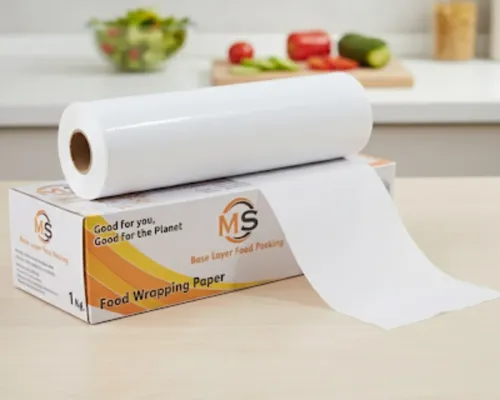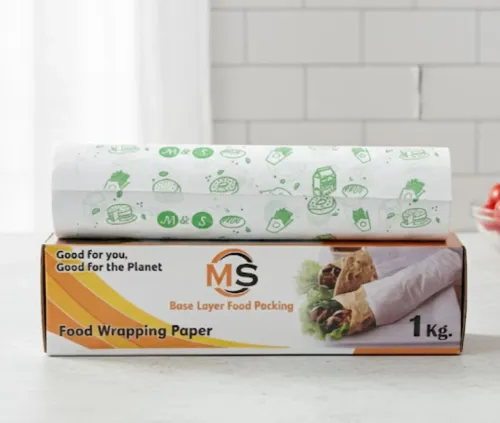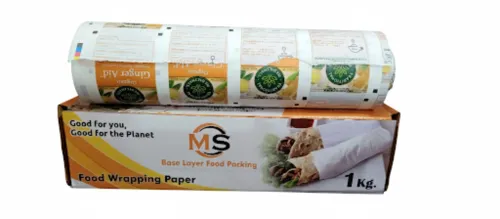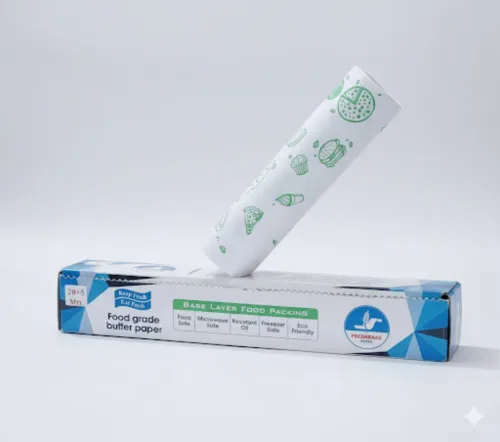
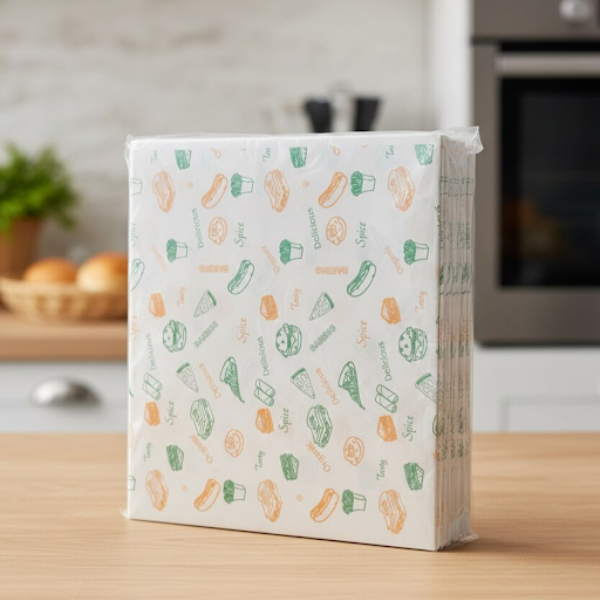
Pre-cut butter paper sheets can simplify packaging when businesses repeatedly use the same dimensions. Bakeries, cafés, sweet shops, fast-food outlets, cloud kitchens, and distributors may therefore prefer sheets instead of cutting every piece from a roll. Selecting a Butterpaper Sheet Wholesaler requires comparing more than the quoted price per pack.
A useful supplier evaluation considers product specifications, consistency, order quantities, handling requirements, and the real cost of using the material.
Compare Sheet Dimensions with Your Products
Start with the food items being packed.
If most products require a similar paper size, pre-cut sheets can make preparation faster. Bakery products, confectionery, sandwiches, snacks, and other foods may each require different dimensions.
Buying oversized sheets creates unnecessary material consumption. Sheets that are too small may require overlapping pieces and extra handling.
Before approaching a wholesaler, measure several typical products and identify the dimensions that cover the majority of daily requirements.
Examine Paper Performance
Two products with similar dimensions may behave differently during actual use.
When comparing a Butterpaper Sheet Wholesaler, consider characteristics such as:
- Sheet thickness
- Grease resistance
- Surface consistency
- Ease of folding
- Strength during handling
- Separation between stacked sheets
- Suitability for the intended food application
A practical sample test can reveal whether employees can handle the sheets efficiently during busy production periods.
Compare Unit Cost Through Actual Consumption
The lowest purchase price does not automatically create the lowest packaging cost.
Suppose one sheet performs adequately using a single layer while another regularly requires two sheets. The second option may ultimately consume more material despite appearing less expensive initially.
Businesses should calculate packaging cost per finished food item rather than comparing only pack prices.
This approach is particularly relevant for Delhi restaurants, bakeries, and sweet shops handling hundreds of items each day. A small difference in per-item consumption can become meaningful across monthly volumes.
Check Bulk Order Flexibility
Wholesale buyers often have changing requirements.
A bakery may experience higher demand during festivals. Caterers may need additional stock during wedding and event seasons. Distributors may require several sizes to serve different customer segments.
Ask prospective suppliers about available dimensions, bulk quantities, packaging configurations, repeat-order consistency, and typical replenishment arrangements.
A supplier that can align quantities with actual consumption may help the buyer avoid both shortages and excessive inventory.
Look Beyond the First Order
Supplier evaluation should consider repeatability.
If a business approves a particular sheet size and specification, future batches should remain reasonably consistent. Unexpected changes can affect wrapping techniques, product presentation, and material consumption.
Baselayer Food Packing supplies butter paper sheets and related food packaging materials to commercial buyers from Delhi. When comparing wholesale options, businesses can communicate expected monthly consumption and exact applications to establish clearer purchasing specifications.
The strongest purchasing decision usually comes from testing the sheet in real operations, calculating consumption per packed item, confirming required dimensions, and assessing whether the supplier can support repeat demand. That gives procurement teams a more useful comparison than choosing solely on the first quotation.
Keywords