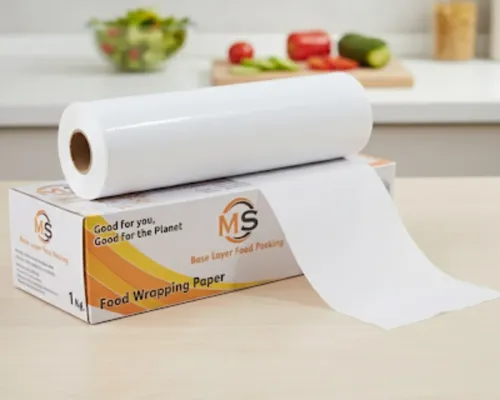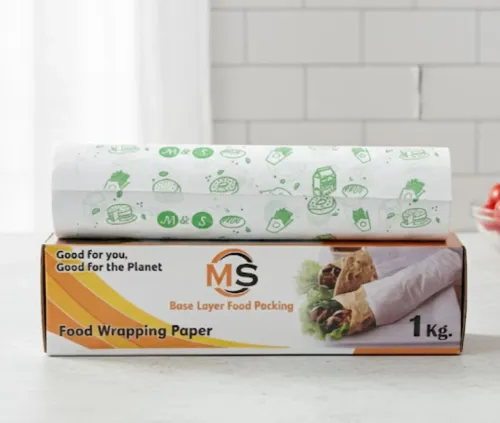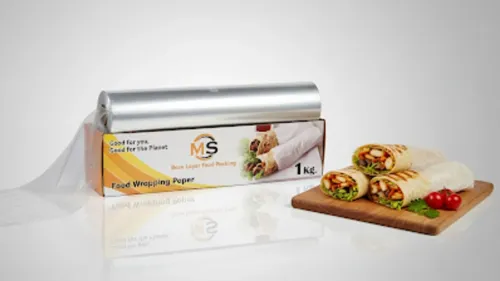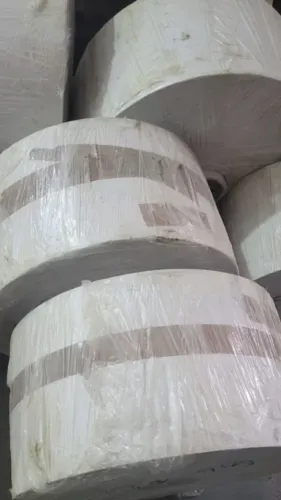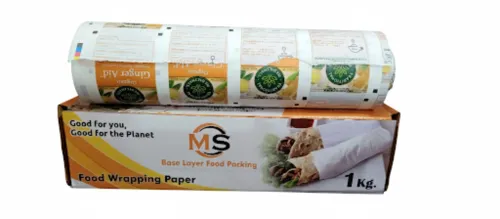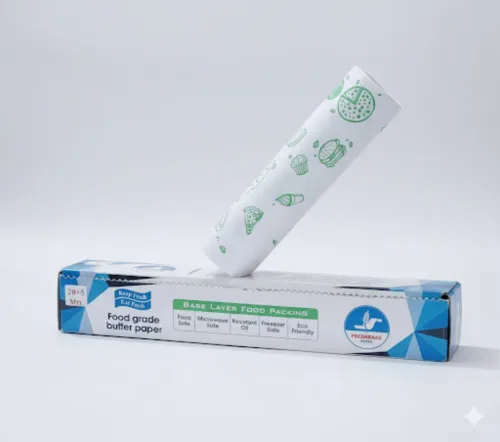
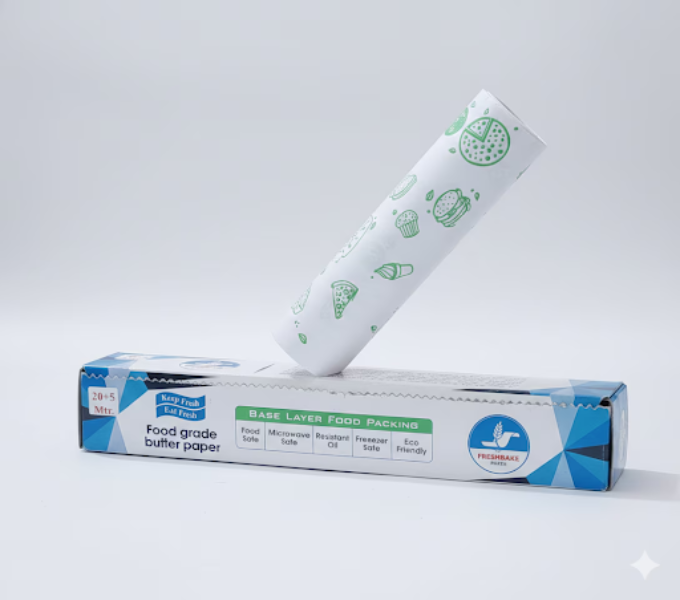
Roti packaging may appear straightforward, but the material used between preparation and serving can influence handling, presentation, and operational efficiency. Restaurants, tiffin services, caterers, cloud kitchens, and takeaway counters frequently use a paper roll for roti when they need flexible paper dimensions for wrapping or separating freshly prepared flatbreads.
The right material should fit the actual service model rather than being selected simply because it is labelled as food packaging paper.
Fresh Roti Creates Specific Packaging Challenges
Freshly prepared rotis may carry heat and moisture when they leave the cooking station. Packaging them immediately without considering ventilation, holding time, and the surrounding packaging can affect their condition during delivery.
Paper is commonly used as one component of a broader packing system. Depending on the food service method, it may help with separation, wrapping, handling, or creating a barrier between food and an outer package.
The appropriate approach depends on how quickly the food will be served and how far it must travel.
Roll Format Gives Kitchens Greater Flexibility
One practical advantage of using a paper roll for roti is the ability to cut paper according to portion size.
A restaurant serving individual meals may need smaller pieces, while a caterer packing larger quantities may require longer sections. Instead of stocking several sheet dimensions, a suitable roll can allow staff to prepare the required size during packaging.
This flexibility can be useful in Delhi kitchens where takeaway orders, corporate meals, catering orders, and dine-in preparation may all operate from the same facility.
Consider the Complete Packaging System
Paper should not be evaluated in isolation. Businesses need to consider what happens after the roti is wrapped.
Questions worth examining include:
- How long will the food remain packed?
- Is the order travelling through a delivery service?
- How many rotis are packed together?
- Is another food container being used?
- Does the food release significant moisture?
- How is the package stored before dispatch?
- Will the paper come into direct contact with food?
Understanding the complete journey helps businesses select packaging more intelligently.
Avoid Oversized Paper and Unnecessary Waste
Using more paper than the product requires increases material consumption without necessarily improving packaging.
A simple trial can help determine an efficient cut length. Prepare typical customer orders using different practical dimensions and observe how much paper is genuinely required for secure handling.
Once a suitable dimension is established, employees can follow a consistent cutting guideline. This can be particularly helpful in high-volume kitchens where small amounts of excess material become substantial when repeated across hundreds of orders.
Storage and Kitchen Workflow Matter Too
Food packaging paper should be stored away from moisture, grease, dust, and unnecessary handling. In busy kitchens, keeping the roll in a designated clean dispensing area can make the packaging process faster and more organized.
Baselayer Food Packing provides butter paper and food packaging materials for commercial buyers in Delhi. Food businesses assessing roti packaging should communicate expected volume, preferred dimensions, food-contact application, and daily working conditions before finalizing material.
A suitable paper roll cannot replace good food preparation and delivery practices, but it can make wrapping more standardized, reduce unnecessary cutting waste, and help kitchen teams manage repetitive orders more efficiently.
Keywords